What Is a Wood Fire Soaking Tub?
A wood fire soaking tub — sometimes called a cowboy hot tub — is a large stock tank traditionally used for cattle water, repurposed as an outdoor soaking tub heated by a wood-burning firebox. You fill it with water, carry wood from the pile, build a fire, and wait for the water to heat up. Then you soak under the open sky. It can also be used as a cold plunge — simply fill, skip the fire, and jump in.
It's one of the most uniquely Utah experiences you can have. Most of our cabins include a seasonal wood fire soaking tub, available spring through fall. From the time you start filling to the time you soak, expect the whole process to take about 1.5 to 2 hours — plan ahead and you'll time it perfectly with the sunset.
Bring your own wood or purchase access to ours — just $15 per night for the wood pile. You'll carry it to your tub and split it to size. First time? Let your host know before you start — they'll walk you through the whole process.
The Tubs at Starlit Ridge
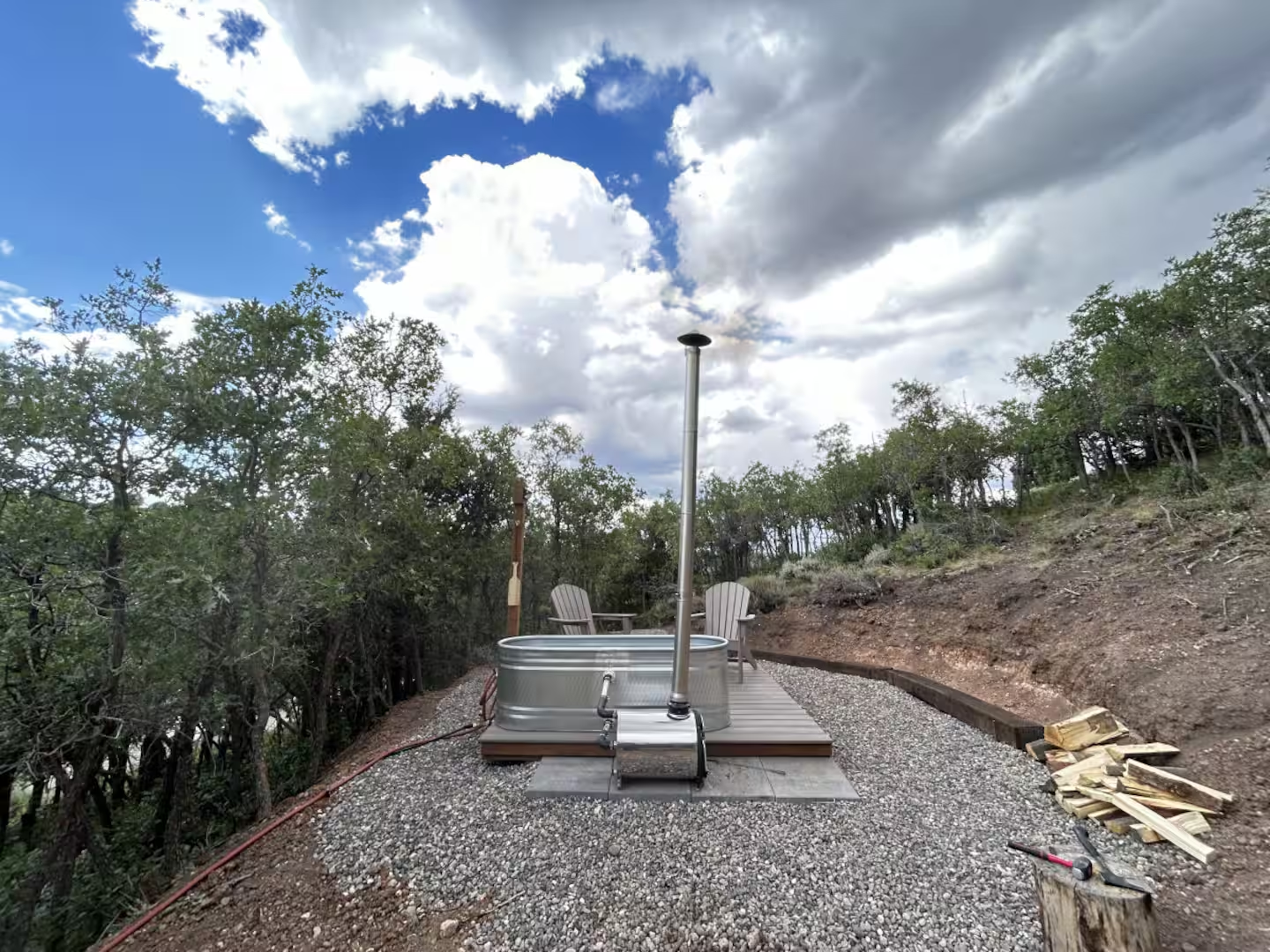
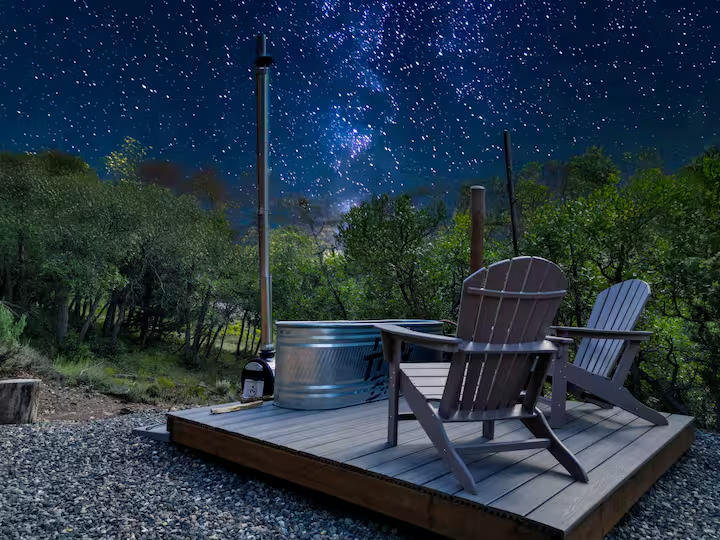
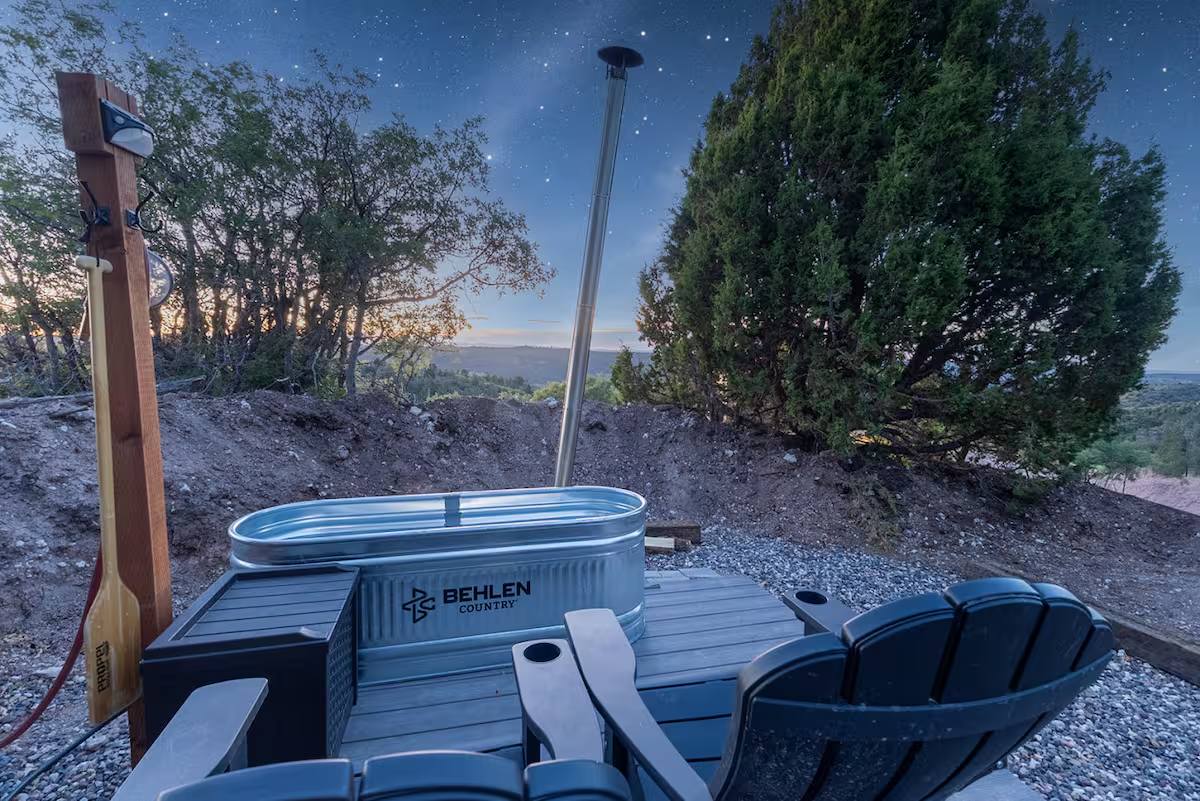
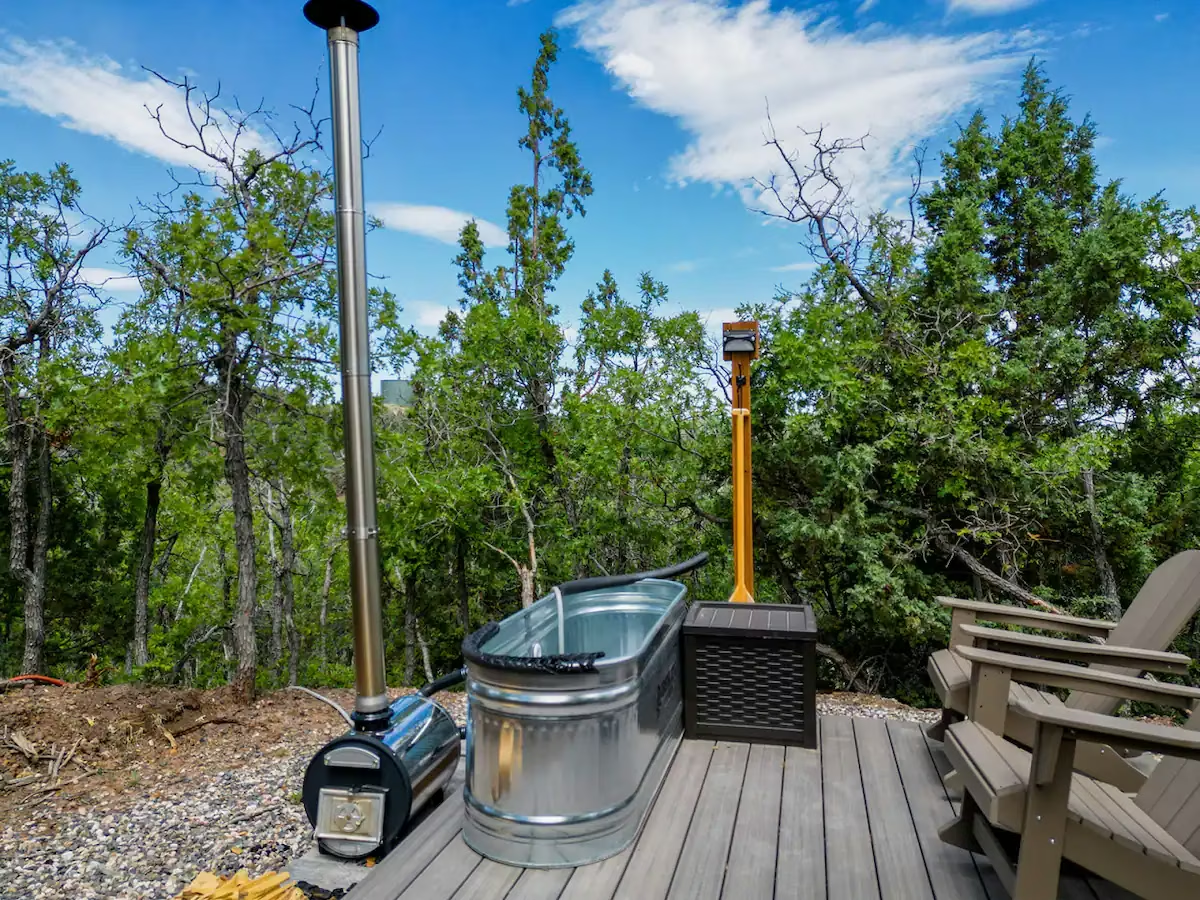
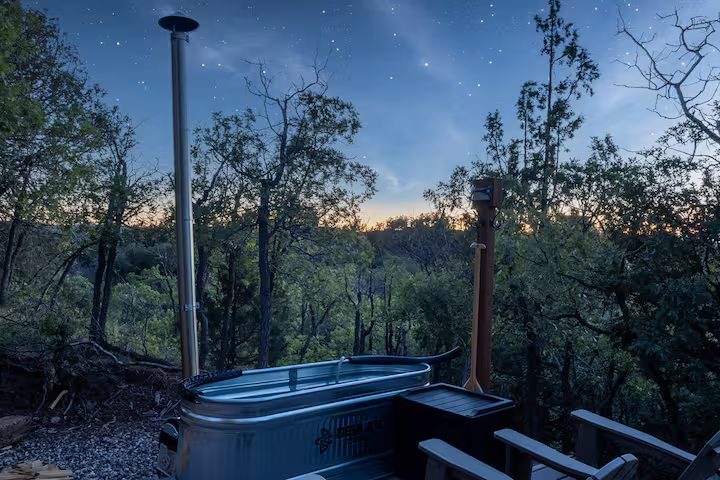
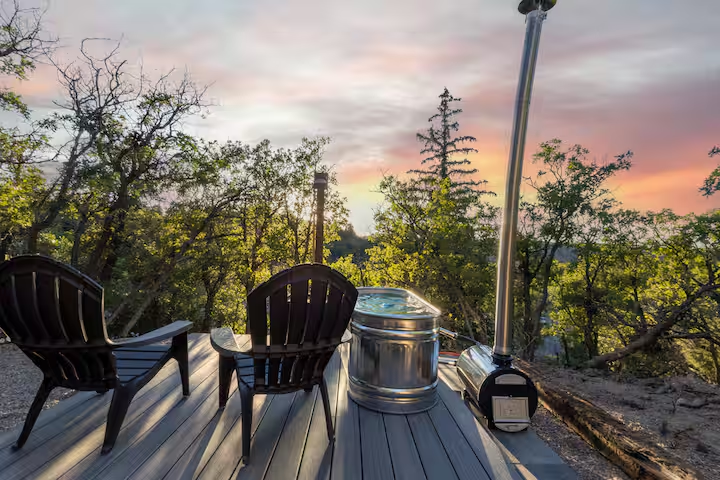
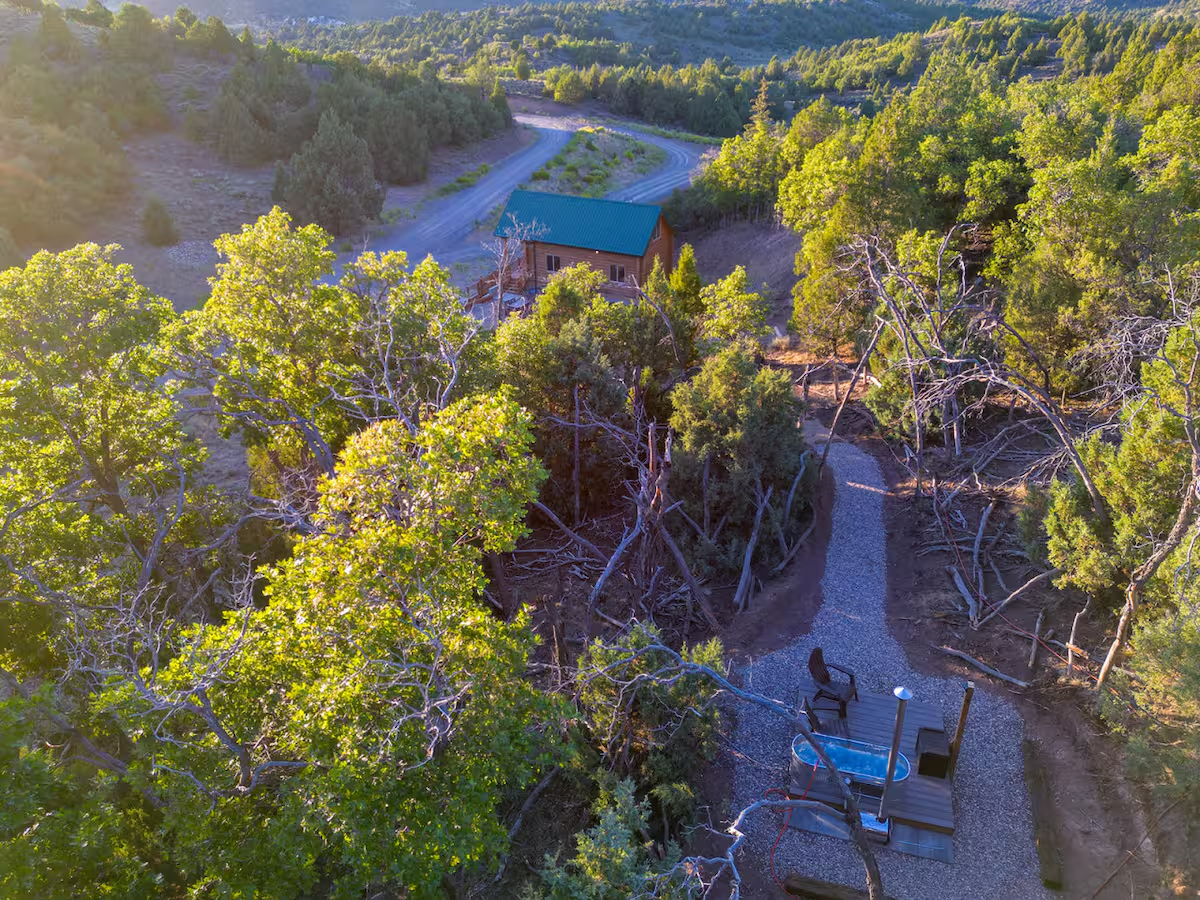
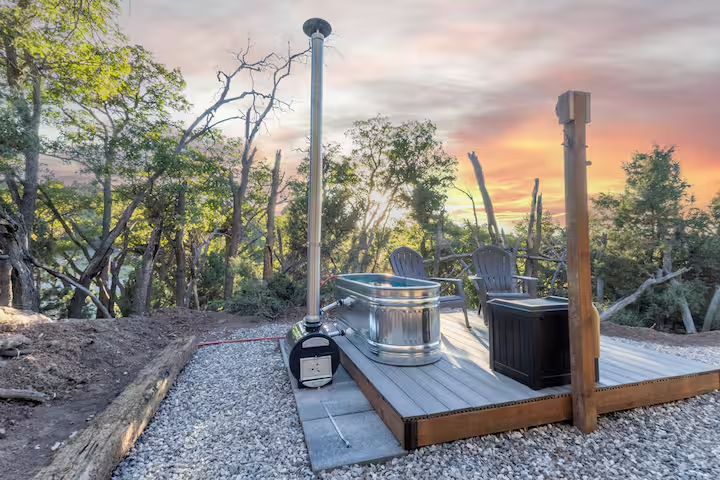
5 cabins with private wood fired soaking tubs · available spring through fall · View all cabins →
Post your tub shots and tag us — or send your best to be featured right here.
Tools & Supplies
Everything you need should be in the deck box and around the tub. Check for all items below before you start. If anything is missing, contact your host before proceeding — don't improvise with missing safety equipment.
How to Use the Tub
The water supply to the hose should always be on. Turn the lever on the hot tub end of the hose to start the water flowing.
Before anything else, confirm all tools are present — hammer, hatchet, lighter, mixing paddle, colander, brush and dustpan, and thermometer in the deck box; fire stoker next to the Chofu heater. If anything is missing, contact your host before proceeding.
This is an off-grid tub — it may have some dirt and debris inside. Open the drain on the right side of the tub first. Switch on the hose and spray the tub out. Use the brush and dustpan to scrub as needed.
Once the rinse is done, close the drain on the right side of the tub. Make sure it's fully sealed before you start filling.
Start filling with the hose and set a 30-minute timer — this should bring you close to the fill line.
While the tub is filling, pull out the ash tray from the bottom of the Chofu heater. Check that there are no hot coals. Use the ash rake and dustpan to scrape out all ash from under the grate — this clears the airflow path and is essential for a strong fire. Toss the ashes to the side; they're great for plants.
Collect your firewood from the wood pile on property and carry it to your tub. Using the hatchet and hammer, split it into two types:
Kindling: About 10 thin, slender sticks to get the fire going quickly.
Fuel logs: About 15 pieces at roughly 16–17" long × 2" × 2" or smaller — the Chofu heats faster and burns cleaner with long, slender pieces that create a roaring hot fire. Large chunks burn longer but slower and reduce heat output.
Once the water covers the top port by at least 4 inches, you're ready to light. Place a large amount of wadded-up paper on the grate, then cover with slender pieces of split kindling — leave air space between pieces so the fire can breathe.
Light the paper in several places across the front. Leave the door open at this point to encourage the fire to catch. Keep adding small pieces of wood until you have a blazing fire going.
Once the fire is well established, begin adding your larger fuel logs. Don't add too much wood too soon — it smothers the fire. Build up gradually.
Once the fire is going strong, close the door — but not completely. Leave a small air gap at the top with the hand lever resting against the post. Open the dial draft in the door fully. This gives the fire maximum airflow.
Build up multiple layers of wood across the firebox, leaving space between each piece so the fire can engulf it. Think of creating many small chimneys for the fire to travel through. Tightly packed wood will burn slowly. Once the fire is really roaring, you can completely fill the firebox — still with space between each piece.
The Chofu uses thermosiphon circulation — no pump — so hot water rises to the top and cold stays at the bottom. Always mix with the paddle before reading temperature, or you'll get a false high reading.
Check temperature: dip only the probe end of the thermometer — do not submerge the dial.
Reloading: Let the fire burn down until you see just radiating coals. Use the ash rake to pull the hot coals toward the front. Then reload with multiple layers of wood, leaving air space between each piece. Reload at 30–40 minute intervals.
Around 95°F, start slowing the fire down — you've built up a large bed of hot coals that are still putting out significant heat. Don't refill the firebox at this point. Instead, add a partial load or a few larger, slow-burning pieces that will sustain warmth once you're in.
Reduce heat output by using less wood and restricting airflow into the firebox.
As the water approaches 104–105°F, close the door completely using the hand lever and partially or fully close the dial draft. Once you're in the tub, a small fire is enough to offset the heat loss from bathing — knowing exactly how much takes a little experience. That's the art of the Chofu.
Once the temperature is comfortable for you, get in. Keep a small, slow fire going to offset heat loss while bathing. Continue mixing and checking temperature periodically — exit immediately if you feel lightheaded or overheated.
When you're done, return all tools and materials to where you found them so everything is ready for next time.
If the fire is still burning when you're done soaking, leave the water in the tub and drain it the following morning. With the door latched and vents closed, limited airflow will let the fire die out naturally and safely.
Do not pour water into the Chofu firebox to extinguish it. This adds humidity to the firebox and makes it very difficult to light on future uses.
Once the fire is fully out, open the drain and empty the tub.
Rookie Mistakes
Once the fire is going, load it up. The Chofu heats best when the fire is roaring and the water jacket is making a hissing sound — that sound means it's working hard. Timid fires mean long, slow heat-ups.
It's the most common mistake. You have a big bed of hot coals still radiating heat — adding a full load of wood near the finish line will push the temp well past 104°F. If you overshoot, stir the water thoroughly first for a true reading, then add cold water slowly if still needed.
Time It Right for the Stars
The whole process — fill, fire, heat — takes about 1.5 to 2 hours. Start as the sun gets low and you'll slip into a hot tub right as the sky goes dark. At almost 8,000 ft in a dark sky corridor, the Milky Way comes out roughly 90 minutes after sunset. Step away from your screen for 15–20 minutes and let your eyes fully adjust — the difference is dramatic.
If you're prepared to stay up late for the darkest sky, check the moon calendar for the darkest window tonight — a new moon means an extraordinary show. Moon phase calendar ↗
More from the Blog
Book Your Stay
All the tips in the world are better when you're actually here.