The Paunsaugunt Plateau
The Paunsaugunt Plateau is a high-elevation tableland sitting mostly above 8,000 feet — a world apart from the canyon country most visitors see through a car window. Starlit Ridge occupies its western edge, where pinyon-juniper forest gives way to open meadows and canyon rims with unobstructed views in every direction.
The plateau forms the backbone of Bryce Canyon country. The same geology that carved the hoodoos created this shelf of ancient rock — and everything living on it has adapted to the altitude, the cold nights, and the wide open space. This is not a backdrop. It's an ecosystem you're staying inside.
Welcome to the plateau. You're exactly where you're meant to be.
Best wildlife window: the hour after sunrise. Step outside quietly before the day warms up. Mule deer are almost always visible in the meadows, and pronghorn are commonly spotted along US-89 on any drive toward either park.
Watching from the property — the big three.
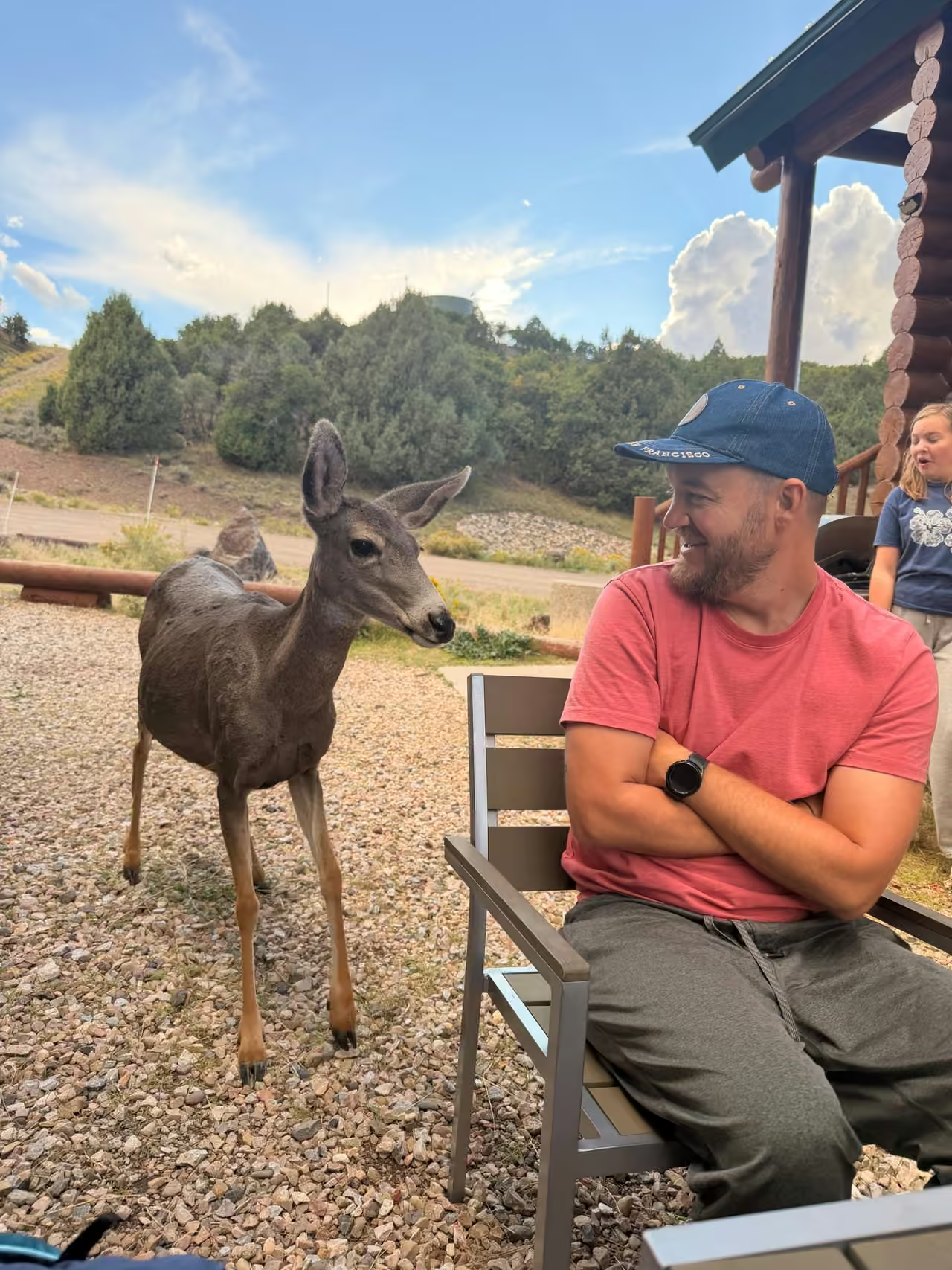
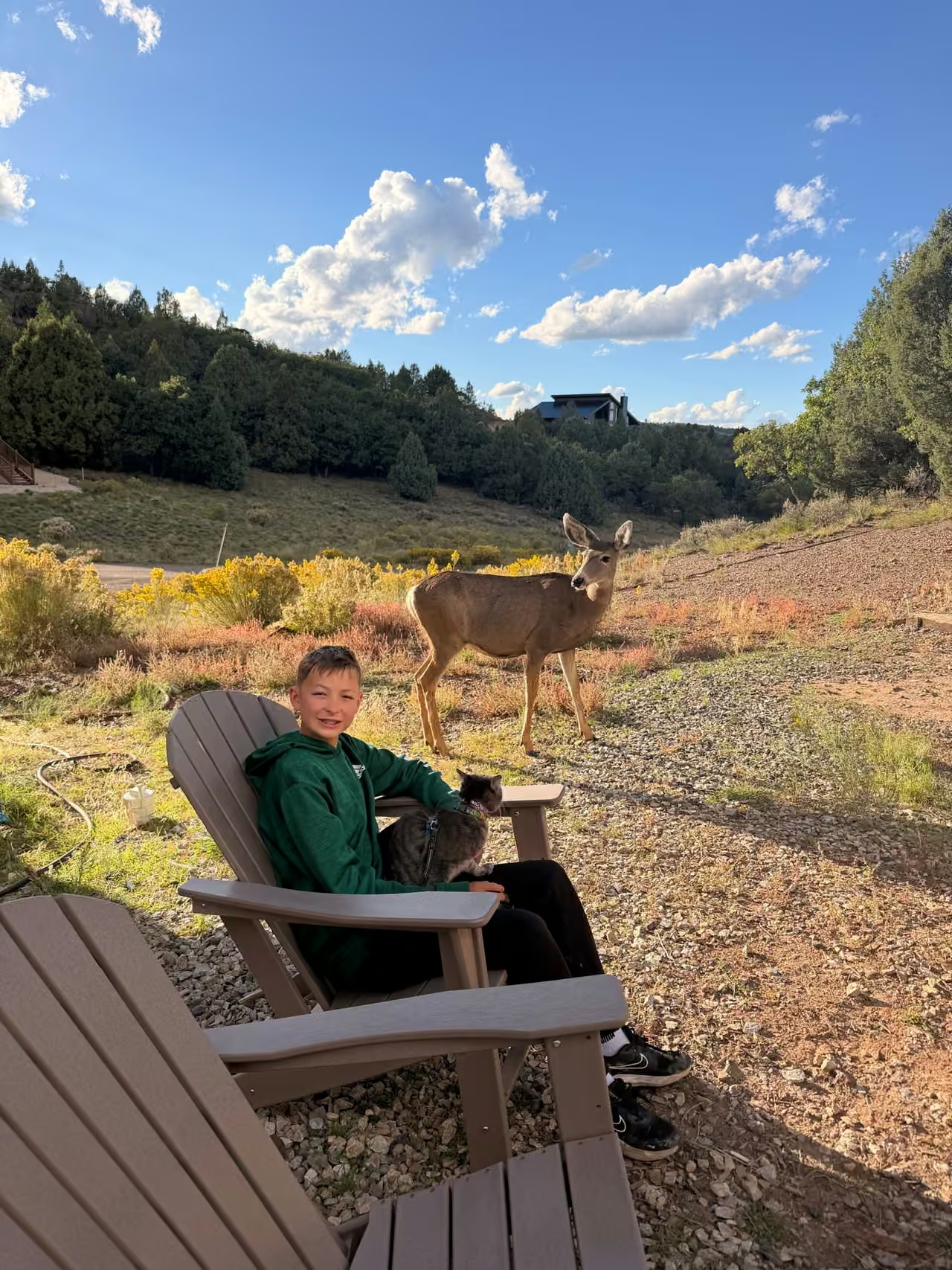
- Mule deer — dawn & dusk, almost daily. Meadow edges and the tree line around the cabins. Some walk right up to the patios.
- Elk — dawn & dusk, best Sept–Oct. Forest edges and Long Valley; listen for bulls bugling during the fall rut.
- Pronghorn — morning drives. Open sagebrush flats along US-89 below the property, often on the way to Zion.
Wildlife of the Plateau
The Paunsaugunt supports some of Utah's densest wildlife populations. The combination of high-elevation meadows, water sources, and low human pressure creates ideal habitat for large mammals — and the property itself is part of their daily territory.
Short-horned lizards — locally called "horny toads" — are all over the property in summer. They rely on camouflage and hold perfectly still when approached. Their stillness means you can gently pick one up — they rarely bolt. A genuine highlight for kids and adults alike.
Best at: sunny rock edges, dry open ground, mid-morning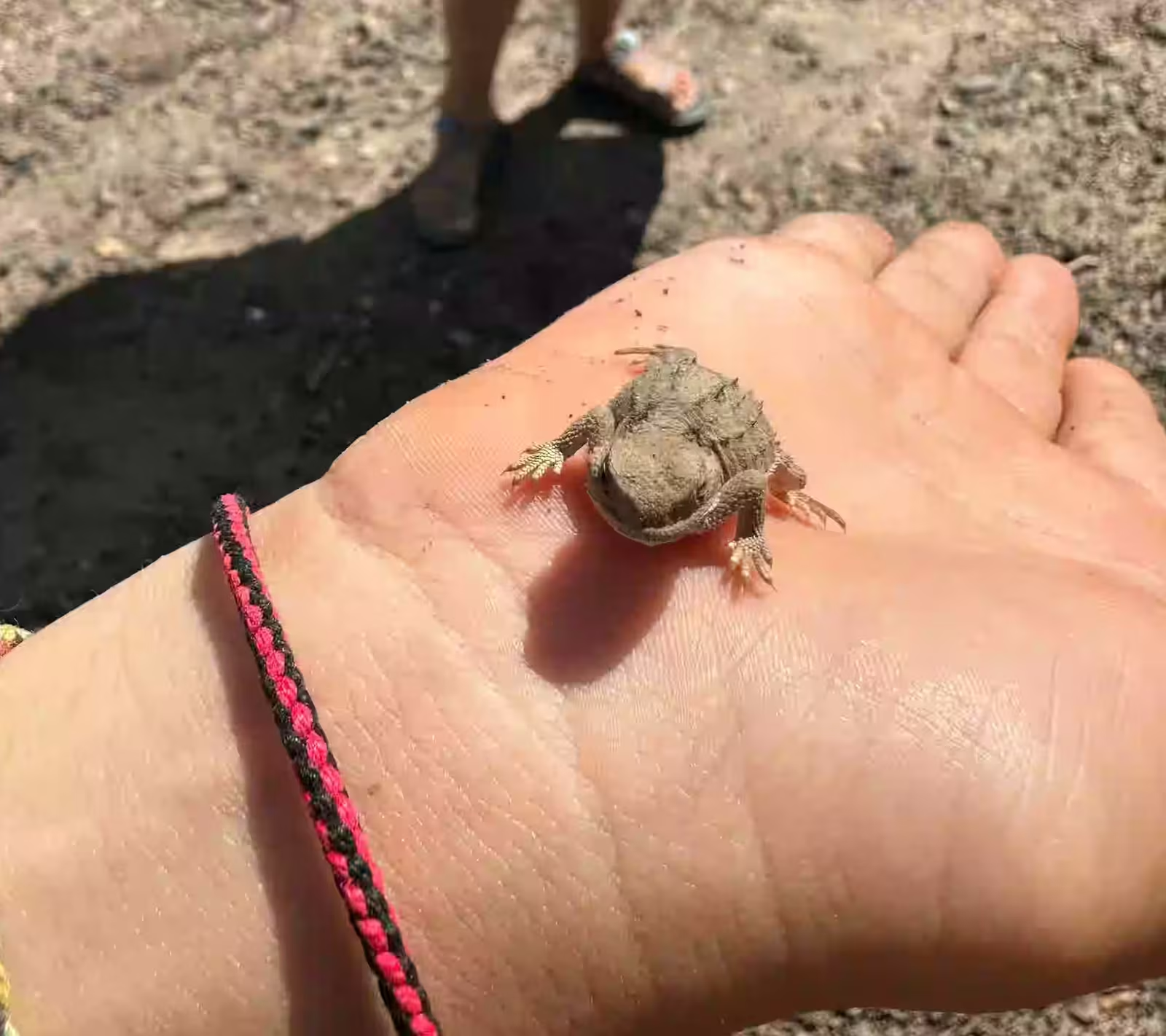
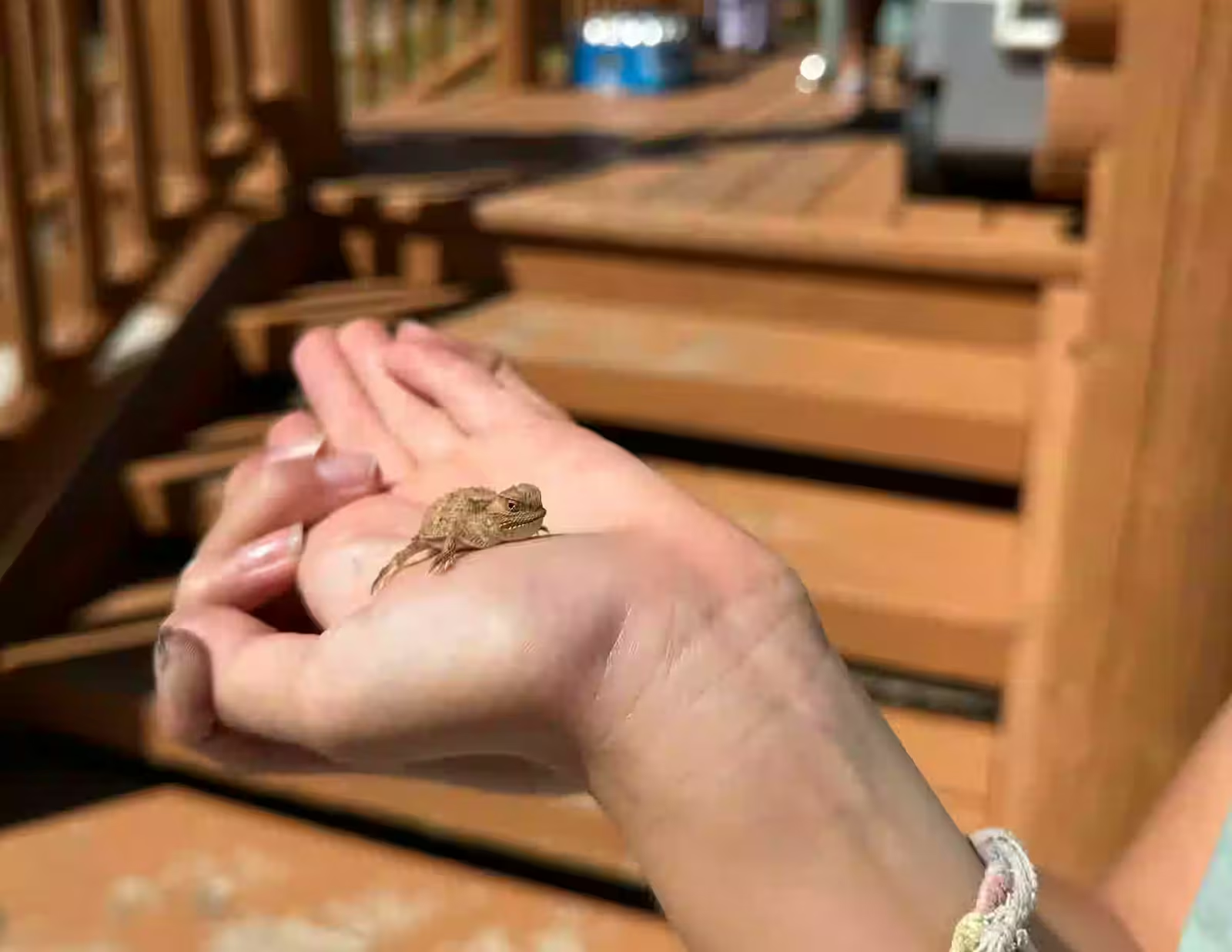
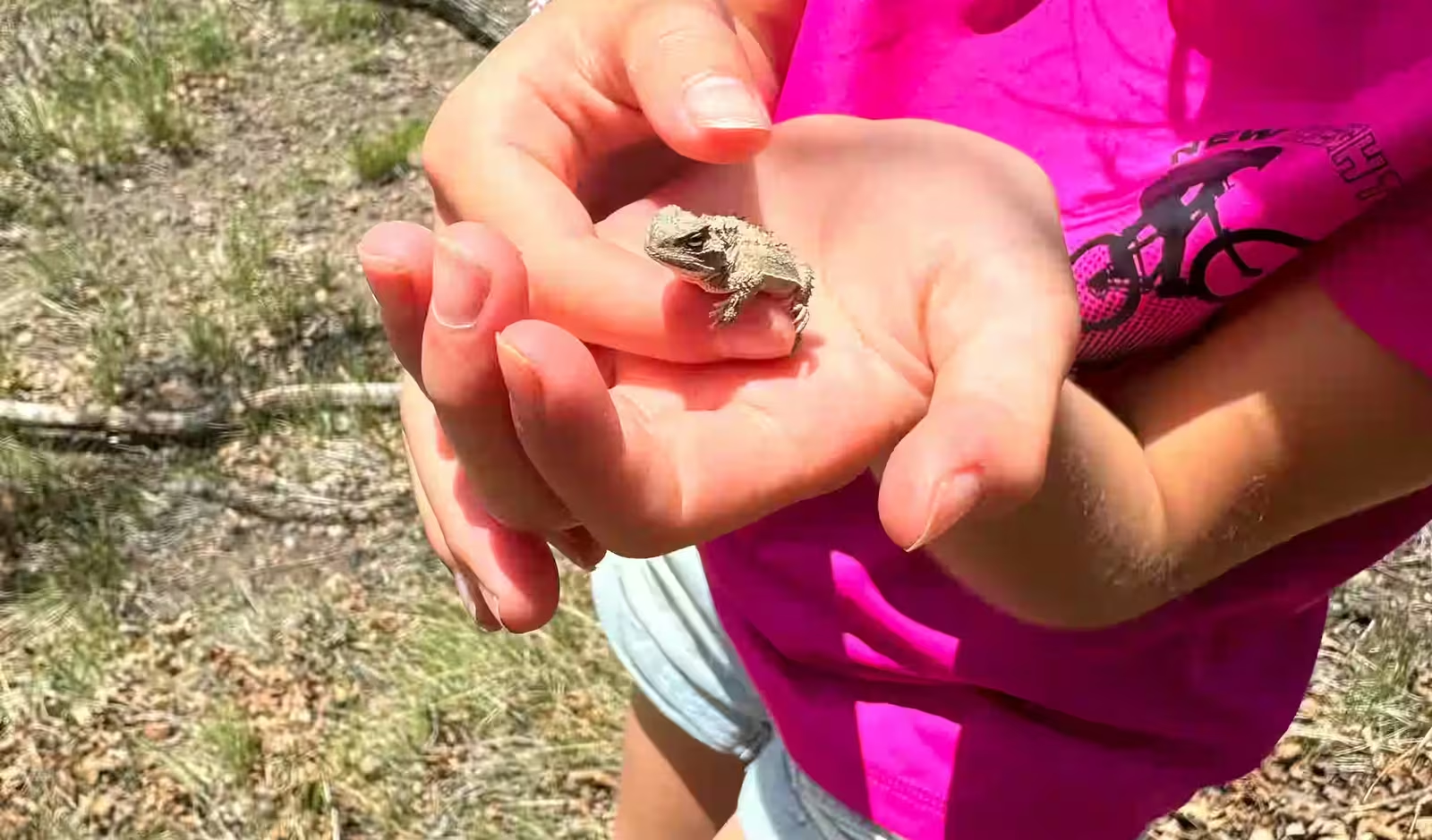

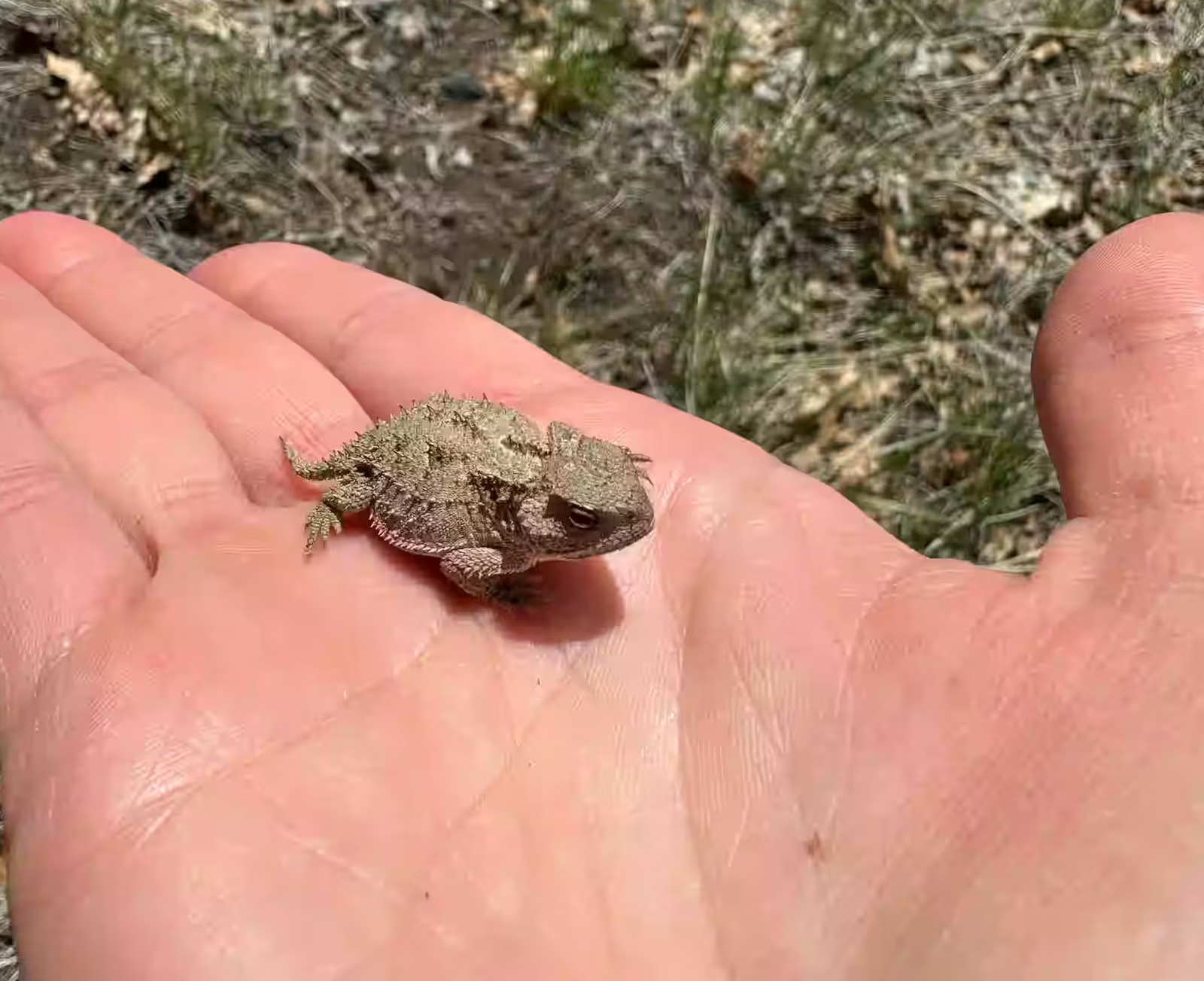
Mid-morning after the sun has been up an hour is the sweet spot — they'll be out basking and nearly motionless. Once you spot one, you can usually walk right up and pick it up.
The plateau supports one of Utah's healthiest mule deer herds. Doe groups are seen almost daily — grazing in open meadows at dawn and dusk, sheltering in the tree line through midday. Bucks are more solitary, spotted solo near the canyon edge. Fawns appear in late spring.
Best at: dawn and dusk, meadow edges near the cabins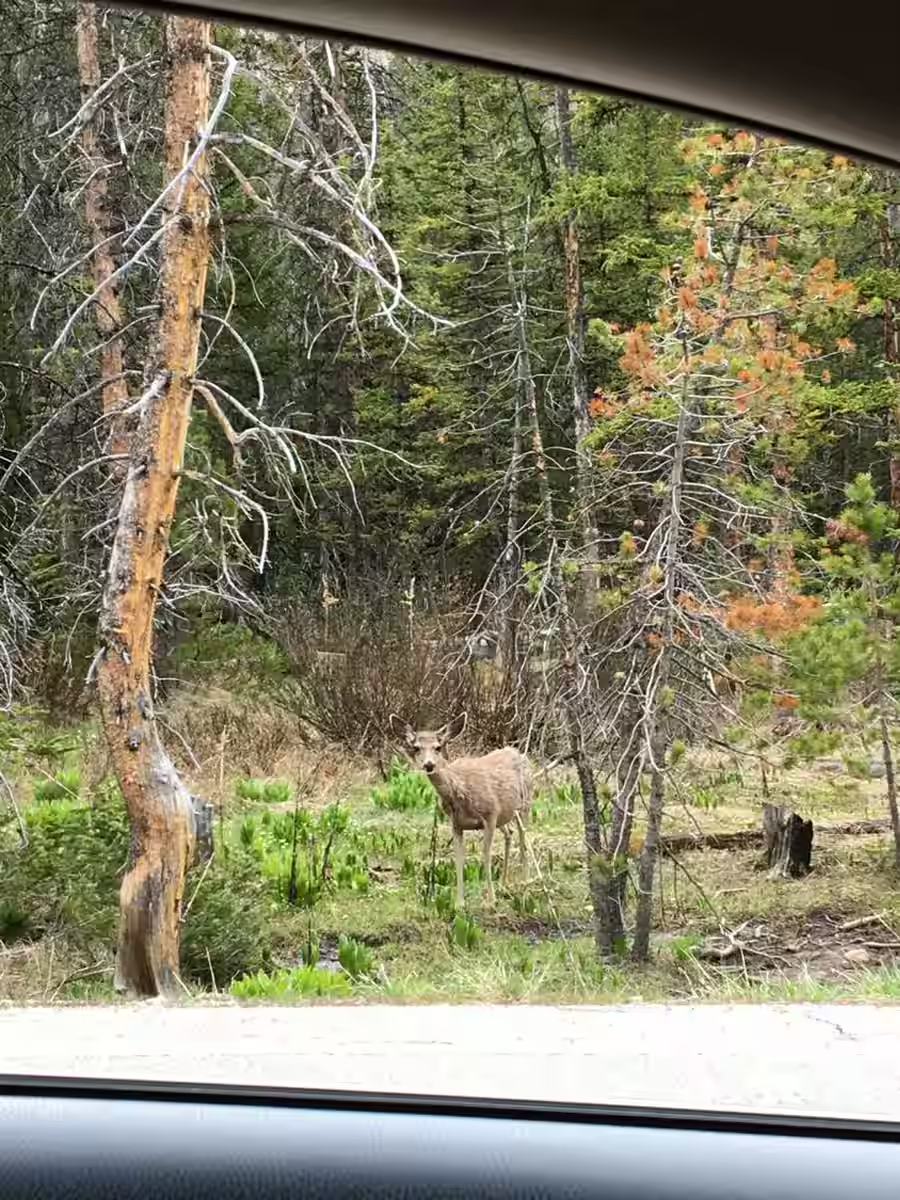
Flocks roam the property year-round, foraging under the junipers and pines. Loud, slow, and completely unbothered by people.
Best at: property grounds, most mornings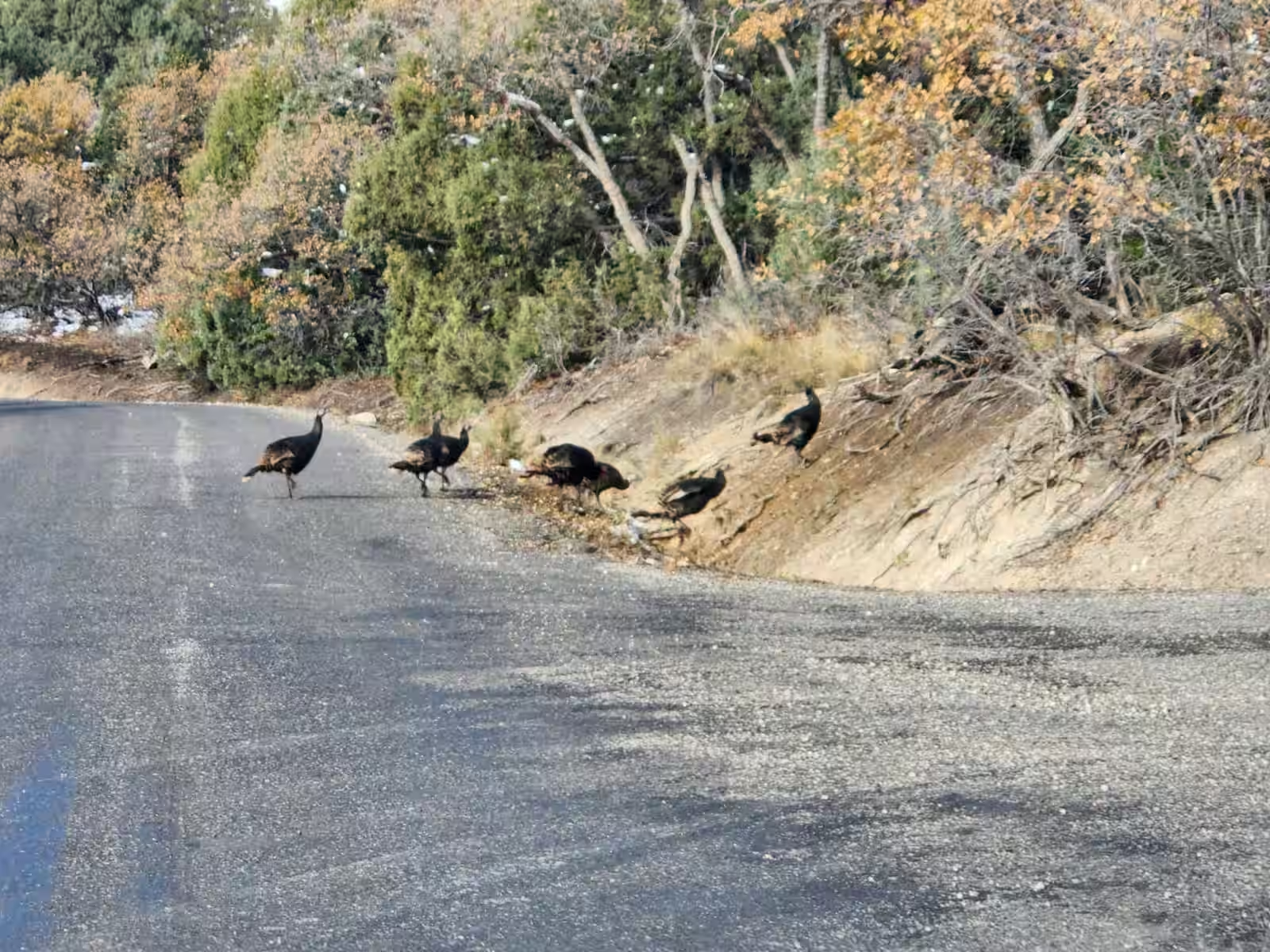
Elk push to higher elevation in summer and descend in late fall. The September–October rut is the peak — bulls bugle at dawn across the forest edges, a sound that carries for miles.
Best at: September–October, forest edges at dawn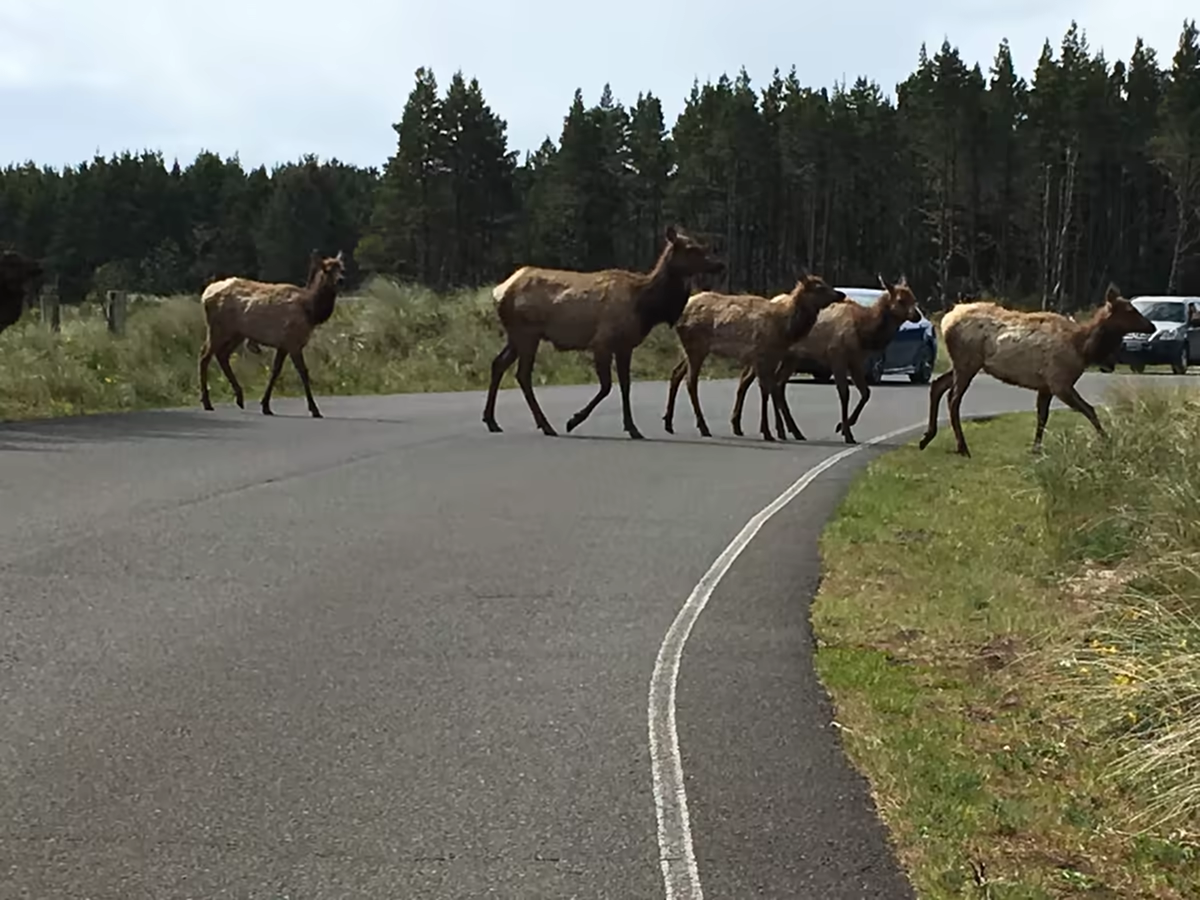
The fastest land animal in North America. A constant sight along US-89 between Long Valley and Kanab — open sagebrush flats where they use their speed. Almost always moving, almost always watching you back.
Best at: US-89 corridor, morning drives to Zion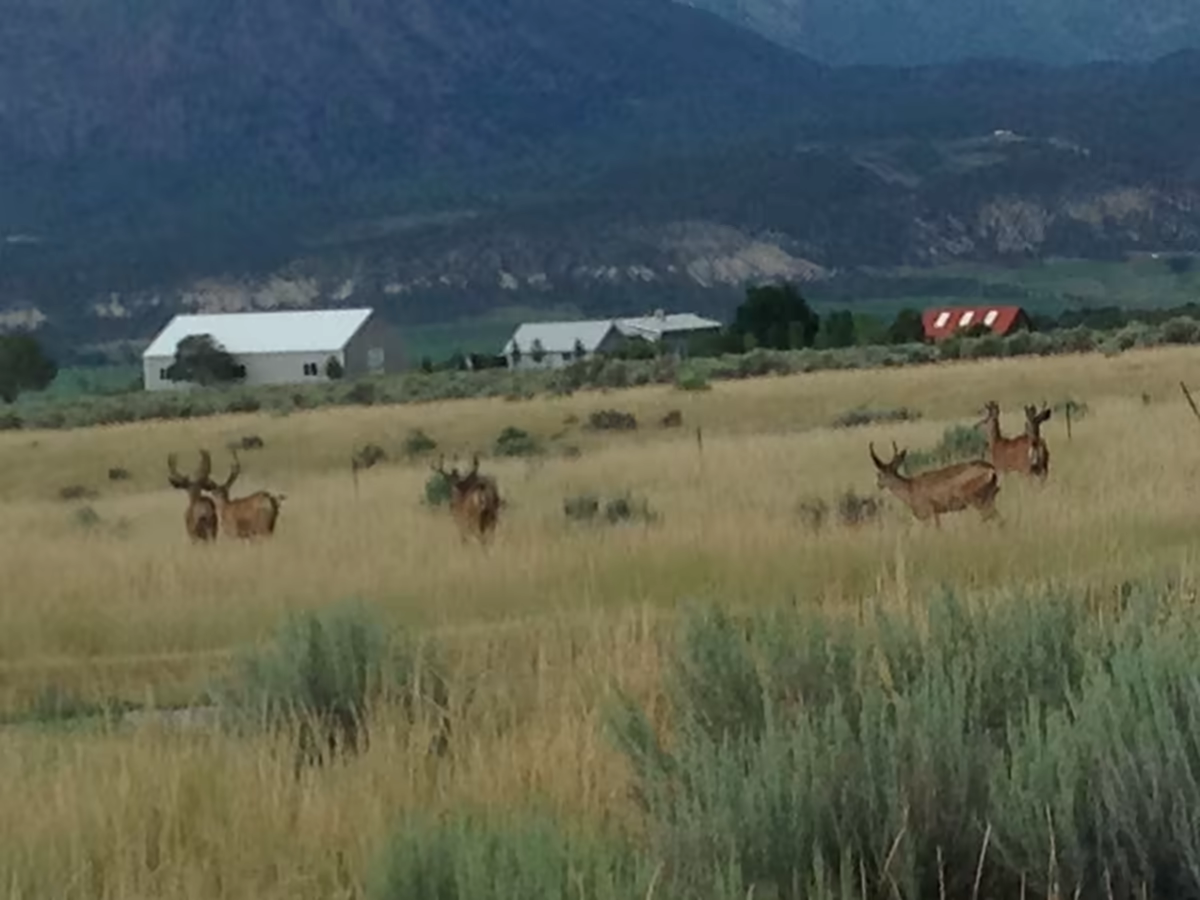
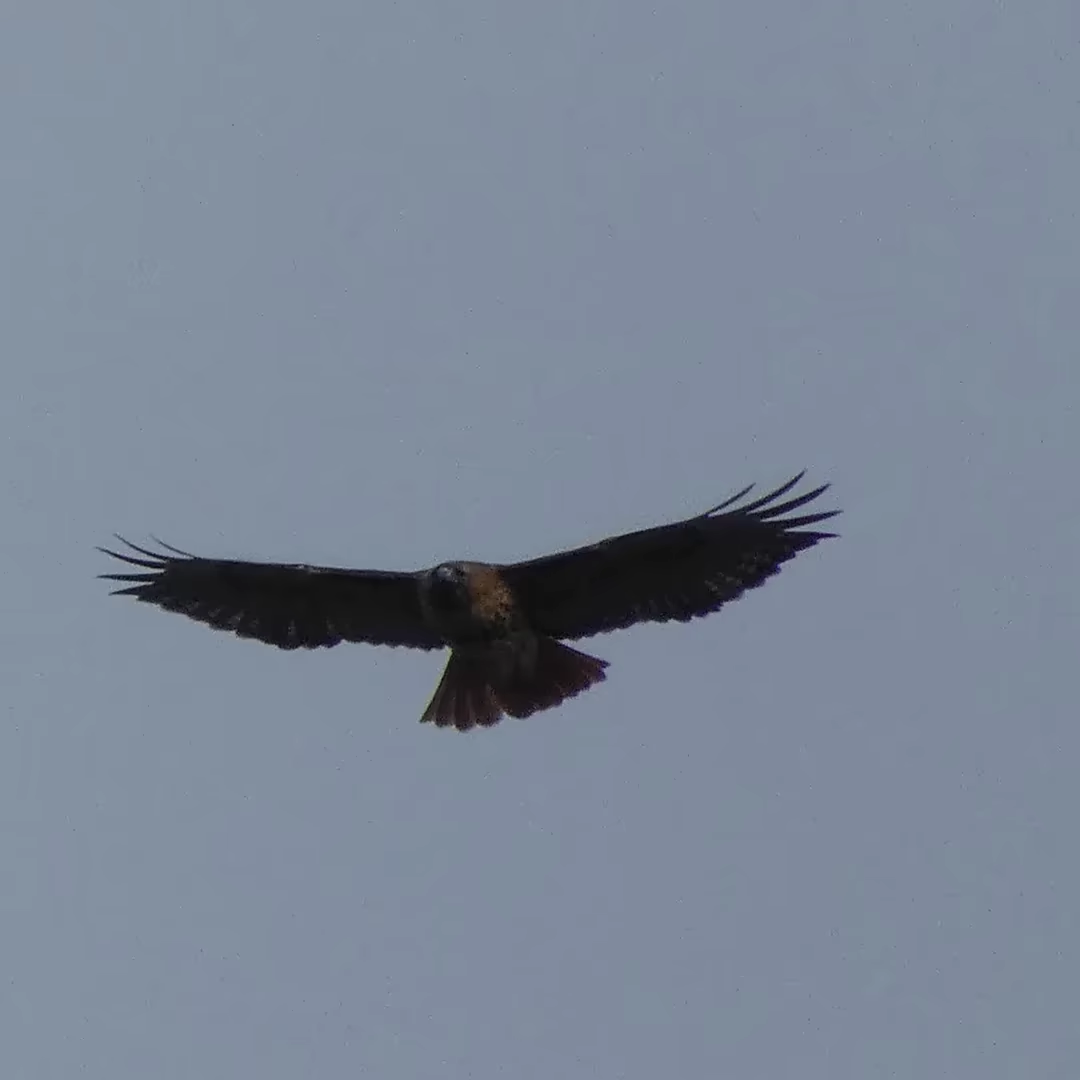
Red-tailed hawks are a constant presence — you'll likely spot one every day. Golden eagles and prairie falcons patrol the canyon rims. Peregrine falcons nest in the cliffs at Bryce Canyon.
Best at: canyon rims, early afternoon thermalsScan fence posts along US-89 toward Zion or Bryce. On the property, check the dead snags at the tree line. Golden eagles & red-tailed hawks cruise the updrafts along the canyon edges throughout the day.
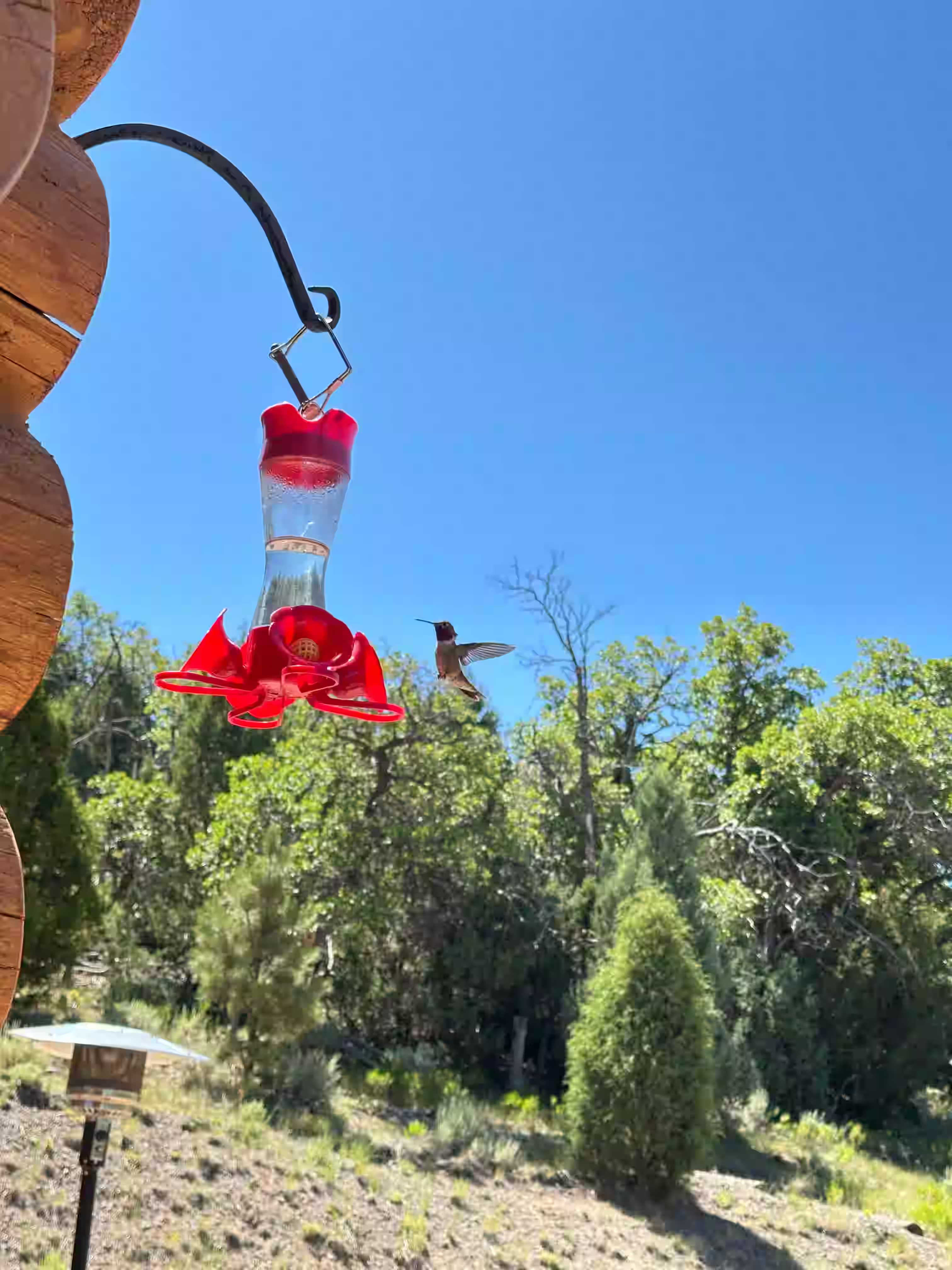
Arrive in late May and stay through August. Males produce a distinctive metallic wing trill — once heard, instantly recognized. Most sightings are a bright flash and a blur.
Best at: flowering meadow edges, early morningMix 1 cup white sugar with 4 cups water — no dye needed. With fresh sugar water out, there's almost a guarantee hummingbirds will visit during summer.
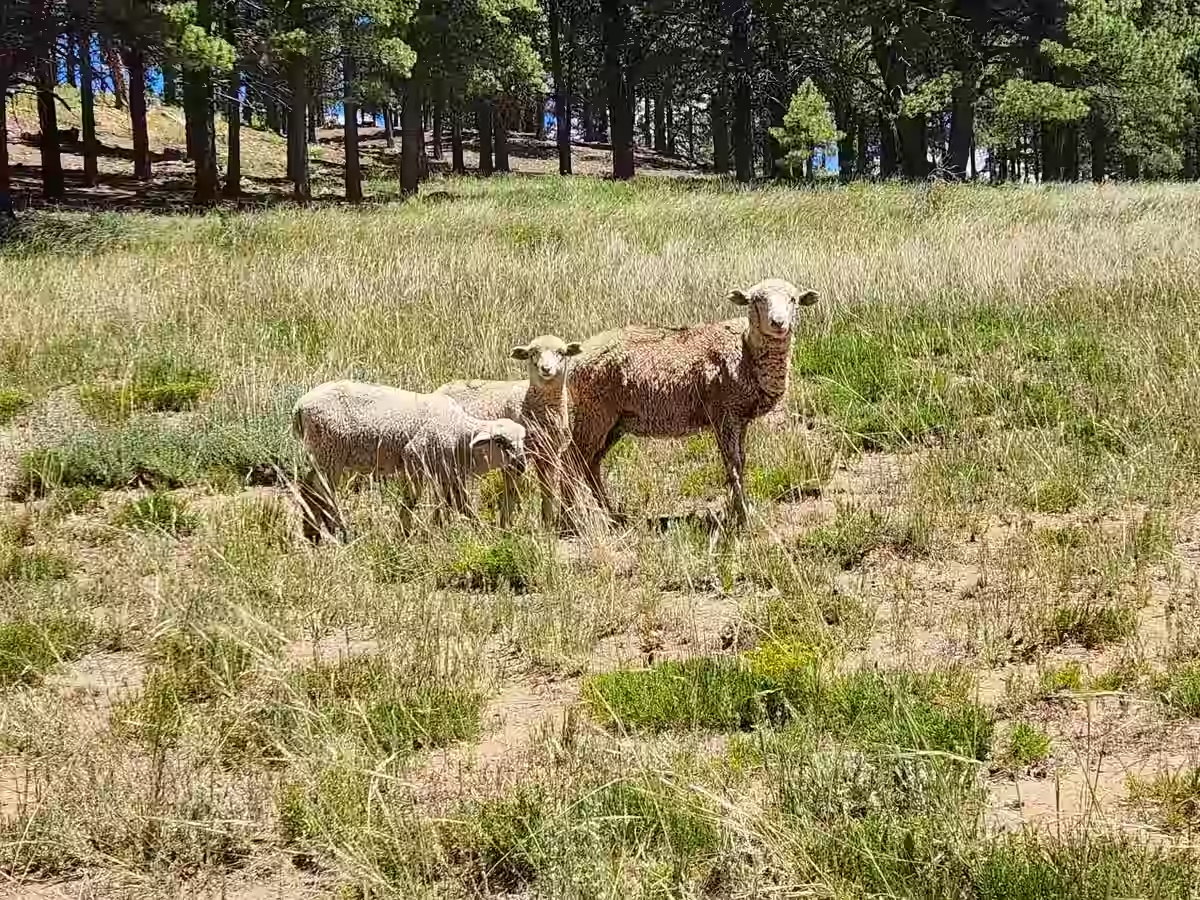
The Dixie National Forest has active grazing allotments — it's not uncommon to round a bend on a forest road and find a flock of several hundred sheep moving through the pines, guided by a herder on horseback and a pair of border collies. A genuinely surprising encounter, especially for kids. You'll often smell them and hear the bells before you see them. Tip: Take your side-by-side or ATV for the best chance — sheep herds cover terrain most passenger vehicles can't reach. See OHV trails →
Best at: high forest roads above 8,000 ft, summer mornings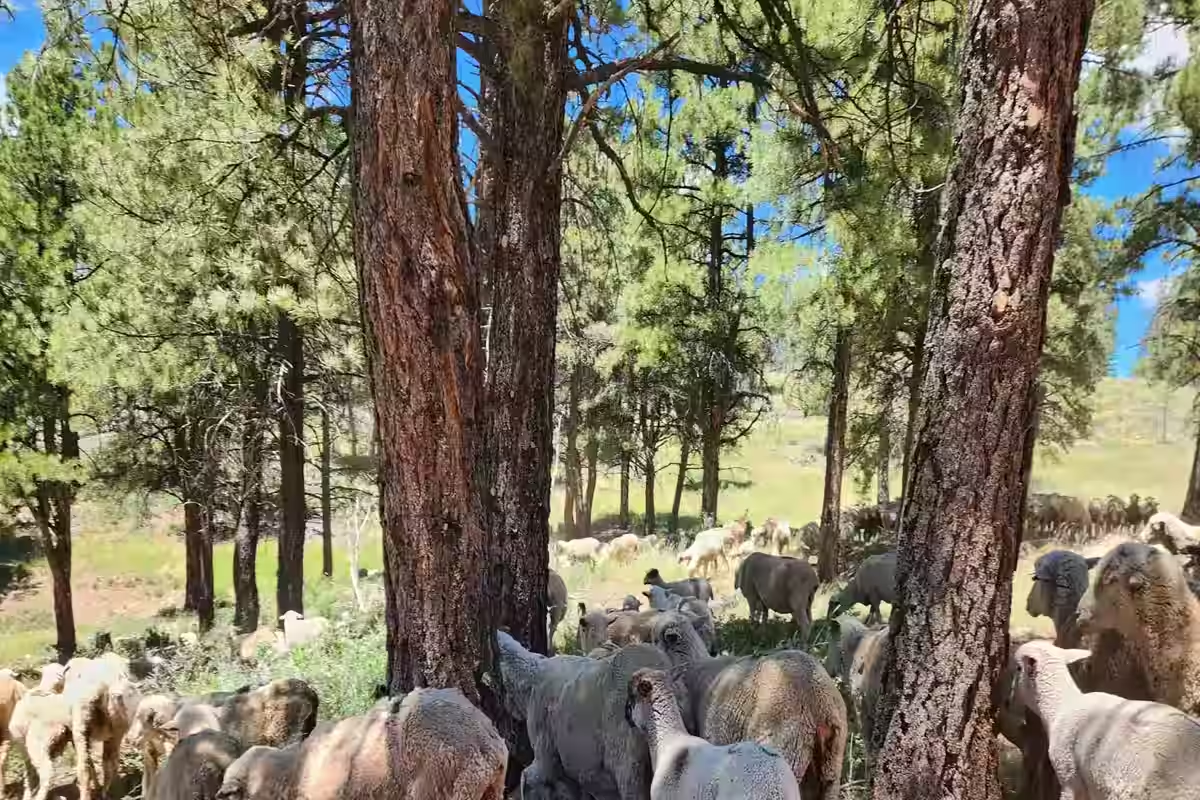
Head up any Dixie NF forest road off UT-14 past Duck Creek — roads 047, 053, and 054 pass through active grazing allotments. Let the flock pass before driving through.
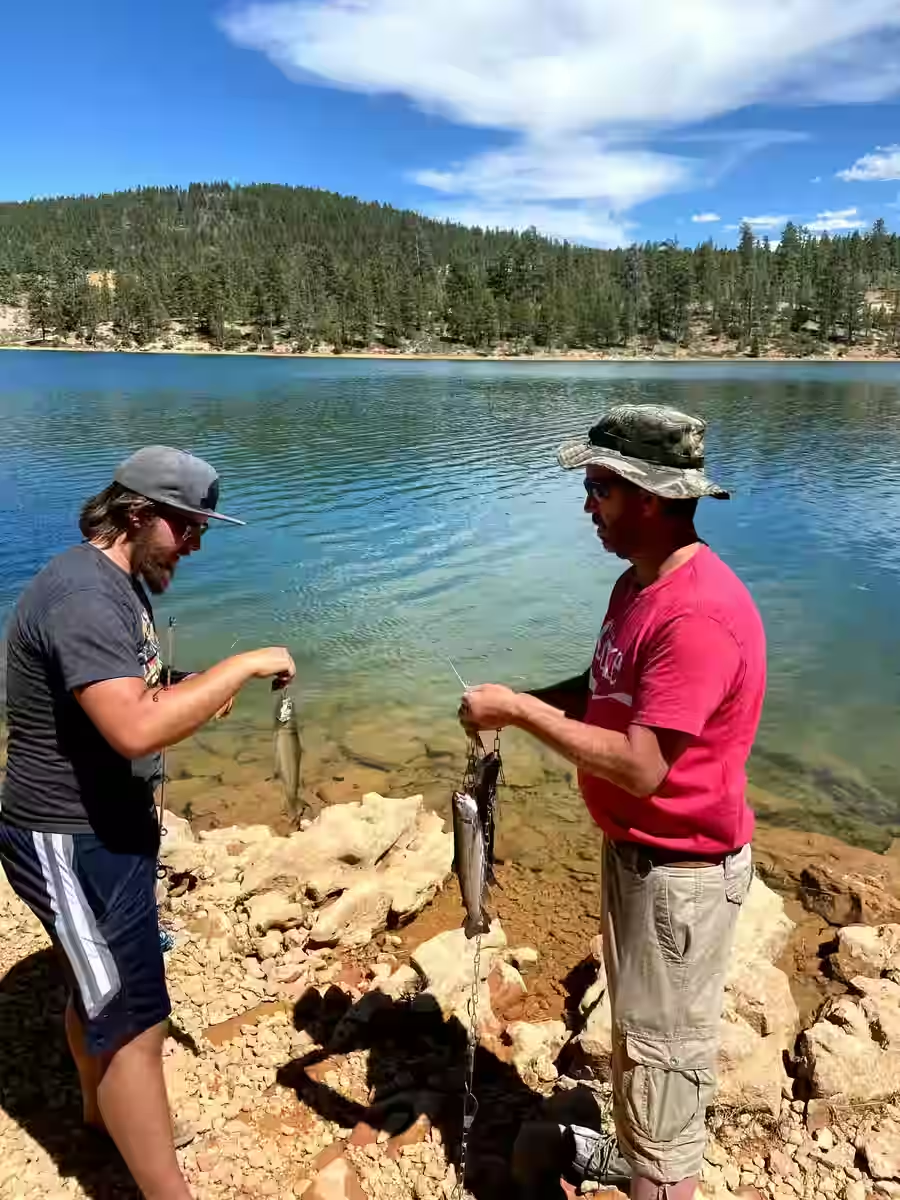
Navajo Lake, Panguitch Lake, Duck Creek Pond, and Tropic Reservoir are all regularly stocked with rainbow and brown trout by Utah DWR. Navajo Lake at 9,040 ft is the local favorite for both fishing and kayaking. A valid Utah fishing license is required for anyone 12 and older — grab one at 🌐 wildlife.utah.gov before your trip.
Best at: early morning and evening, Navajo Lake and Panguitch LakeGreat horned owls are audible most nights from the property. Coyotes call across the plateau in chorus — often starting just after dark and carrying on through the night. Common nighthawks and whip-poor-wills add to the soundtrack in summer. At almost 8,000 ft with nearly zero light pollution, the Milky Way is visible on clear nights year-round. The darkness that makes stargazing exceptional here also makes the nocturnal ecosystem unusually rich — after-dark wildlife encounters are more likely than almost anywhere else in the region.
Best at: after dark, from the firepit or soaking tubNature Through the Seasons
At 8,000 feet, the seasons hit harder and linger longer than in the valleys. Each one transforms the landscape into something different — and each one is worth experiencing.
🌼 Spring
Late April through JuneThe plateau wakes up slowly at altitude. Snow lingers into April, but by late May the meadows begin their transformation. Cliffrose, Indian paintbrush, lupine, and wild phlox bloom across the canyon rims and open flats — a wildflower season that typically peaks at 8,000–9,000 ft in late June, a week or two after the lower valleys.
Strawberry Point (17 mi) and the Cedar Breaks area (34.5 mi) are two of the best spots for peak blooms with dramatic canyon backdrops. Mule deer doe groups are most visible in spring as they begin moving with new fawns. The Narrows at Zion can run high from snowmelt — check CFS before you go.
☀️ Summer
July through AugustThe plateau stays dramatically cooler than the canyon floors below. While Zion can hit 100°F, Bryce and the ridge sit 20–30°F cooler — evenings at Starlit Ridge almost always require a layer, even in July. Afternoon thunderstorms roll through most days in July and August, clearing fast and leaving the air clean and cool.
Wildlife retreats deeper into the trees during midday heat. Early mornings are your window — step out before 7 AM for the best chance of seeing deer close to the property. Mosquitos are rarely a problem at this elevation, which makes the soaking tub and firepit genuinely comfortable all evening.
🔥 Fire Season Awareness: During high fire danger (typically July–September), spark arrestors are required on all OHVs. Check current fire restrictions with the 🌐 Dixie National Forest before riding.
🍂 Fall
September through OctoberThe best kept secret on the plateau. Crowds thin dramatically after Labor Day while the weather reaches its best — warm days, cold nights, no rain. Aspens turn gold across the higher meadows in October, and the canyon light goes amber and low, making the hoodoos look unlike any other time of year.
This is elk rut season — September and October mornings bring bugling at dawn if you're near the forest edges. Pronghorn are moving and highly visible along US-89. The combination of empty trails, perfect hiking weather, and active wildlife makes fall the locals' choice.
❄️ Winter
November through MarchSnow transforms the plateau into something genuinely magical. The hoodoos at Bryce Canyon dusted in white are a bucket-list sight — the park is open year-round, crowds are minimal, and the views from the rim are otherworldly. Bring chains or AWD — roads can be icy and UT-12 into Bryce closes in heavy snow.
Brian Head ski resort is 36.5 miles away. Snowmobiling at Duck Creek is 12.5 miles out. The wood-fired soaking tubs run mid-March to mid-October, but Unit 2 has an electric hot tub that operates year-round — soaking under a clear winter sky with snow on the ground is one of the best things this property offers.
Nature Hotspots Near Starlit Ridge
Everything below is within an hour of the property. Most are free and uncrowded compared to the national parks.
🦌 Wildlife at Bryce Canyon National Park 39.7 mi
Bryce Canyon sits between 7,000 and 9,000 ft — similar elevation to Starlit Ridge — which means you'll encounter many of the same species, plus a few unique to the park's dense ponderosa and mixed conifer forests.
🦎 Wildlife at Zion National Park 42.6 mi
Zion's lower elevation and canyon microclimate supports the region's greatest wildlife diversity — 78 mammal species, 291 bird species, and 44 reptile and amphibian species. The Virgin River corridor is the center of most wildlife activity.
🐦 Plan Your Birding at Zion
Zion hosts 291 recorded species — browse real-time sightings, recent checklists, and hotspot maps on eBird before your visit.
Wildlife at Cedar Breaks 10,000 ft · 36 mi
The Markagunt Plateau at Cedar Breaks sits 2,000 feet above the Paunsaugunt — high enough that the wildlife community shifts noticeably. A few species you'll rarely encounter at Starlit Ridge are regulars up there.
Cedar Breaks is 36 miles from Starlit Ridge — a natural extension of a wildlife-focused trip. Full day trip guide including trails, overlooks, and the annual Wildflower Festival.
Cedar Breaks Day Trip Guide →🍂 Seasons of Bryce & Zion
What to expect in every season at both parks — wildflowers, crowds, elk rut, winter hoodoos, the Narrows, and when the night sky is at its absolute best. Includes seasonal star maps.
Book Your Stay
The wildlife, the wildflowers, the winter snow — all of it is right outside your cabin door. Book direct for the best rate.